


In Stock Ammunition Ready to Ship Right Now
Surprisingly, in stock ammunition can remain functionally viable for decades when stored in a cool, dry environment. This ready-to-ship munition is manufactured in precise caliber and grain weights to match specific firearms, ensuring reliable chambering and consistent ballistic performance. By purchasing it directly when available, you eliminate wait times and secure a supply that cycles, feeds, and fires exactly as designed for your weapon’s specifications.
What Does “In Stock Ammunition” Actually Mean for Your Order?
When an online retailer labels ammunition as “in stock,” it means the physical rounds are already sitting on their warehouse shelf, verified by inventory, and ready to ship immediately—not merely available to backorder or allocate from a future production run. For your order, this translates to a concrete fulfillment promise: your payment triggers a pick-and-pack process within 24 to 48 hours, not a vague wait for a distributor’s shipment. Crucially, “in stock” also locks your price at checkout, protecting you from mid-order cost adjustments that often occur with delayed items. However, you must still confirm that the quantity shown is tied to your actual order volume, as some vendors display a single unit count that may represent boxes, not rounds.
The real advantage is certainty: with “in stock,” your order is not a placeholder but a secured claim on existing, shippable product.
This eliminates the guesswork of whether your purchase 9.3x72R Ammo for Sale will arrive in a week or a quarter.
Why Ready-to-Ship Cartridges Beat Backorder Wait Times
When you choose **ready-to-ship cartridges**, you eliminate the unpredictable drift of backorder fulfillment, where restock dates shift without notice and your payment floats in limbo for weeks. A backorder ties your training schedule or hunting plan to a manufacturer’s production queue, which can stall on component shortages. In-stock ammo, by contrast, moves from warehouse to your door within days, preserving your zeroing window and range reservations. Even a minor delay in restocking erodes the cost-per-round advantage you thought you secured. You pay for certainty, not promises. Q: Why does ready-to-ship ammo outperform a backorder wait? A: Because it converts your order into a physical shipment immediately, whereas backorders hold your money and your time hostage to an unknown manufacturing timeline.

How Inventory Status Affects Your Purchase Price and Shipping Speed
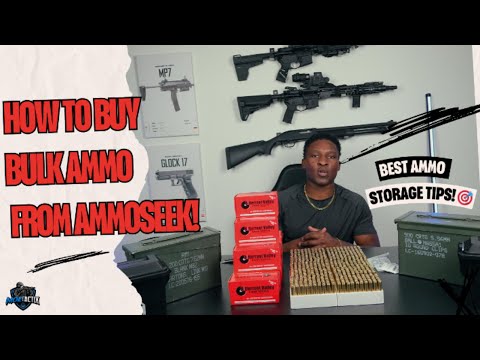
Inventory status directly dictates both what you pay and how fast ammo arrives. Items marked “in stock” from a distributor typically ship within 24–48 hours, while backordered status can delay shipment by weeks, even if the price appears lower. **Price often rises with scarcity**, as retailers adjust for limited on-hand quantities. For shipping speed, order priority follows fulfillment availability: stock levels determine whether your order enters the carrier queue immediately or waits for restocking.
- Confirm “in stock” means physically on warehouse shelves, not supplier-sourced.
- Check if the listed price reflects current Ammunition for Sale inventory or a pre-order hold.
- Choose in-stock items to avoid split shipments and added freight fees.
Low inventory can also trigger higher per-round costs due to expedited restocking surcharges passed to you.
Differences Between Factory-Sealed Boxes and Bulk Packaged Rounds
When you see “in stock ammunition,” you’ll often choose between factory-sealed boxes and bulk packaged rounds. Factory-sealed boxes keep each cartridge protected in its original cardboard or plastic tray, preserving lot numbers and offering the cleanest storage for match shooting or safe queens. Bulk packaged rounds, like loose 500-round bags or ammo cans, skip the individual trays—so you save money and space, but you lose that per-box lot consistency. For range plinking, bulk is perfect; for precision loads, stick with sealed. **The biggest practical difference is cost-per-round versus traceability.**
Q: Are bulk packaged rounds less reliable than factory-sealed boxes?
A: Not usually—both come from the same factories. The difference is handling: loose rounds can rattle and shift during shipping, so check for dents or primer issues before loading. Sealed boxes stay pristine, but bulk is fine for practice if you inspect visually.
Matching the Right Available Rounds to Your Firearm’s Needs
When selecting from in-stock ammunition, matching the right available rounds to your firearm’s needs begins with verifying the cartridge designation stamped on the barrel, then cross-referencing it against the box’s headstamp data—never assume a similar round fits, as .300 Blackout in a 5.56 chamber can cause catastrophic failure. For defensive loads, prioritize jacketed hollow points that feed reliably and expand at your barrel length, while practice ammo should mirror the bullet weight and overall length of your carry load to maintain point-of-aim consistency. Always check the cartridge overall length against your magazine’s internal dimensions before buying in bulk, especially for subsonic rounds or flat-nose bullets that may jam in tight stacks. Q: Can I fire .223 Remington in a 5.56 NATO chamber? A: Yes, but pressure differences mean you should stick to in-stock .223 for older or looser chambers, reserving 5.56 for military-spec barrels. Finally, run a function test 9.3x62mm Mauser Ammo for Sale with at least ten rounds of any new lot before trusting it for self-defense.
How to Confirm Your Gun’s Caliber Matches a Specific Box Label
Before you grab any box from the in-stock rack, flip it over and cross-check the exact cartridge designation stamped on your barrel against the label. Your slide or receiver should list something like “9mm Luger” or “.38 Super,” and if the box says “9×18 Makarov,” that’s a hard no—even if the bullet diameter looks similar. For rifles, match the full name (e.g., “.223 Remington” vs “5.56 NATO”) since chamber pressures differ. Then, verify the headstamp on a single round’s base after opening the box—it should mirror the label. Finally, do a quick drop test into your chamber or magazine; if it doesn’t seat effortlessly, put it back.
Choosing Between Full Metal Jacket, Hollow Point, and Soft Point Loads
When browsing in stock ammunition, your choice between Full Metal Jacket (FMJ), Hollow Point (HP), and Soft Point (SP) hinges on the target and terminal effect. FMJ rounds, with their solid copper jacket, are ideal for high-volume range practice and competition due to reliable feeding and deep penetration through barriers, but they lack expansion. Hollow Points are designed for self-defense and law enforcement, expanding reliably in soft tissue to create a larger wound channel and reduce over-penetration risk. Soft Points offer a middle-ground, expanding reliably at moderate velocities while maintaining better penetration through heavy clothing than many HPs, making them a strong hunting choice. *The best load is the one your specific barrel twist rate and action cycle without malfunction, so test a hundred rounds of each from your firearm before committing to a bulk purchase.*
Q: For a new shooter primarily using in stock ammunition for defensive practice, should they buy FMJ or HP?
A: For practice, buy FMJ to keep costs low and mimic the recoil of your defensive load. However, you must also cycle a full magazine of your chosen Hollow Points through your gun to confirm they feed flawlessly and hit point of aim, as defensive loads often have different pressure curves.
Understanding Bullet Grain Weight and Its Impact on Recoil and Accuracy
When choosing from in-stock ammunition, bullet grain weight directly dictates the balance between felt recoil and trajectory. Heavier grains (e.g., 147gr 9mm) produce a slower, push-like recoil impulse, often aiding follow-up shot control, while lighter grains (e.g., 115gr) deliver sharper snap but flatter initial velocity. For accuracy, your firearm’s barrel twist rate determines stabilization; a 1:7 twist prefers heavier 77gr loads, whereas a 1:12 twist favors lighter 55gr rounds. Testing 2–3 grain weights from available stock reveals your rifle’s or pistol’s precision node. Matching grain weight to barrel twist is the primary accuracy variable, as mismatched stabilization causes keyholing or vertical stringing. Recoil also shifts point of impact—heavier grains rise muzzle less, aiding rapid fire, but require more holdover at range.
Grain weight governs recoil character and stabilization; test stock options against your barrel’s twist to find the most accurate, controllable load.
Practical Tips for Storing and Handling Your Purchased Cartridges
Once your in stock ammunition arrives, immediately inspect each box for dents or loose primers before transferring rounds to a labeled, airtight ammo can with desiccant packs. Keep sealed cartridges in a cool, dry space below 75°F, since humidity degrades powder and primers faster than temperature swings. When handling, avoid skin-to-brass contact by using cotton gloves or a tray, as finger oils accelerate corrosion. Rotate older stock to the front and shoot it first, but never mix loose rounds from different lot numbers in one magazine. For long-term storage, store cans off concrete floors on a wooden shelf, and open them quarterly to check for tarnishing. Always finger-tip check primer seating on a few sample rounds before loading—this prevents misfires. These habits preserve your practical cartridge storage reliability and ballistic consistency.
Proper Ammo Box Storage to Prevent Corrosion and Misfires

When you’ve got a stash of in stock ammunition, the right box matters more than you’d think. A hard plastic or metal ammo can with a rubber gasket keeps humidity out, stopping corrosion before it starts—rust on brass can lead to feeding issues and, worse, misfires down the line. Toss in a few silica gel packs to absorb any lingering moisture, and check the seals every few months. Avoid storing rounds loose in cardboard or fabric, which trap dampness against the primers. For long-term peace of mind, keep your ammo boxes sealed and climate-stable to protect both ignition reliability and case integrity.

How to Rotate Your Stash for Consistent Performance Over Time
To ensure consistent performance from your in stock ammunition, adopt a strict first-in, first-out (FIFO) system. When you purchase fresh boxes, physically place them behind your older supply, so the oldest rounds are always on top and used first. This prevents cartridges from sitting for years, where temperature swings and humidity can degrade primers and powder. Additionally, rotate by lot number—finish an entire batch before opening a new one, as mixed lots can cause point-of-impact shifts. For long-term storage, mark each box with its purchase date and rotate a portion of your reserve into active use every six months, even if it means a quick range trip.
- Label every box with the purchase date to track age at a glance.
- Set a recurring calendar reminder to pull and shoot the oldest lot every 90 days.
- Store newer batches in a separate ammo can, keeping the older can accessible for regular practice.
Spotting Signs of Damage Before Loading a Round into Your Mag
Before seating any round from your in stock ammunition into a magazine, visually inspect the case for cracks, dents, or corrosion, especially near the neck and base. Check the primer pocket for a proud or missing primer, which indicates unsafe pressure or handling damage. Roll the cartridge between your fingers to feel for bent rims or bulges that could cause a feeding failure. Reject any round with a loose or recessed bullet, as setback during loading can spike pressures dangerously. Routine pre-loading inspection of purchased cartridges prevents malfunctions and protects your firearm’s chamber.
Q: 7mm Rem Ultra Mag Ammo for Sale What is the most critical damage sign to spot before loading a round into your mag?
A: A cracked case mouth or a visibly pushed-in primer—both indicate structural compromise that can lead to case rupture or ignition issues during firing.
Getting the Most Value Out of Buying Ready-to-Ship Rounds
Snagging in-stock ammunition is all about moving fast, so keep your go-to loads saved in your browser to streamline checkout. Buying ready-to-ship rounds means you skip backorder limbo, but you still need to compare price-per-round against shipping fees—a low sticker price can vanish under heavy freight costs. Stack discounts by ordering multiple boxes in one go, since most retailers flatten shipping on bigger orders, and that bulk-buying sweet spot often turns a decent deal into a genuinely smart stash. Check the listed condition and grain weight twice before paying, because in-stock doesn’t guarantee it matches your barrel’s twist rate. Finally, grab a few extra boxes of your defensive load when it’s available—ready-to-ship stock rotates quickly, and replenishing later means paying premium prices or waiting weeks.
Calculating Cost Per Round to Compare Different Packaging Sizes
To truly compare packaging sizes for in-stock ammunition, you must calculate the cost per round—not just the box price. Divide the total price 7mm Rem Mag Ammo for Sale by the number of cartridges; a 50-round box at $25 equals $0.50 per round, while a 20-round box at $12 equals $0.60 per round, making the larger box the better deal. Bulk packaging often hides shipping or hazmat fees, so factor those into your division before concluding savings. Follow these steps:
- List the total price for each package option, including taxes and shipping.
- Count the exact number of rounds in each package.
- Divide the total cost by the round count to get a unified per-round figure.
- Compare per-round values across all sizes, then choose the lowest number that fits your storage and budget.
This method exposes false specialty sports and supply economies, ensuring your purchase maximizes every dollar spent on ready-to-ship stock.
When to Buy a Full Case vs. a Single Box for Your Range Plan
Choosing between a full case and a single box hinges on your immediate range schedule. If you have a dedicated practice day where you’ll burn through 200–500 rounds, a full case of in-stock ammunition reduces your per-round cost and eliminates mid-session restocking. However, a single box makes more sense when you are testing a new firearm, verifying a specific lot’s accuracy, or planning a short plinking trip. Buy a case only when you are already confident in that load’s reliability; otherwise, a box prevents committing to bulk that may not cycle correctly. Full case purchases deliver optimal value when your range plan demands high volume, while a single box suits low-count or evaluation sessions.
Using Bulk Discounts Without Sacrificing Ammo Quality

Bulk pricing on in-stock ammunition only delivers real value if you verify the round’s integrity before committing to a case. Check that the lot number matches a reputable manufacturer’s current production run, and confirm 6mm Remington Ammo for Sale the cartridge’s velocity and bullet weight align with your firearm’s spec sheet—not just the discount tier. A lower per-round cost means nothing if you encounter split necks or inconsistent primers halfway through a session. Stick to established loaders who publish ballistic data, and ask the retailer whether the discounted price reflects overstock or a softer QC pass. Prioritizing verified, factory-fresh batches ensures your savings don’t translate into malfunctions, so always cross-reference the lot’s test-fire results before you buy in volume.
Common Questions About Immediately Available Ammunition
When you see in stock ammunition, the most common question is whether “immediately available” means the exact cartridge, grain weight, and bullet type on the shelf. It does—if the listing shows a specific SKU, that physical box is ready to ship or hand over, not a backorder placeholder. Another frequent query: can you mix brands of the same caliber if your first choice is out? Yes, as long as the load data matches your firearm’s pressure rating, though zeroing may shift. Ask if the stock quantity reflects multiple lots; different lot numbers can impact point of impact.
Always confirm the lot number and manufacture date on the box before buying “immediately available” ammo, because age and storage affect reliability even when in stock.
Finally, check if bulk “in stock” means sealed cases or loose rounds—sealed military surplus is often corrosive, while new commercial ammo is not.

Can You Return Unopened Boxes of On-Hand Cartridges?
Whether you can return unopened boxes of on-hand cartridges depends entirely on the retailer’s specific policy, as most ammunition sales are final due to safety and liability concerns. Even with factory-sealed packaging, many stores treat unopened cartridge returns as non-refundable, though some may offer store credit or an exchange if the box is undamaged and verified on-site. Before purchase, confirm the return window and any restocking fees, as policies vary widely between brick-and-mortar shops and online sellers. Never assume a sealed box guarantees a refund, because ammo is typically excluded from standard return guidelines. Retailer discretion ultimately governs this transaction.
Q: Can You Return Unopened Boxes of On-Hand Cartridges?
A: Only if the specific retailer allows it; most treat ammunition as final sale, but a few offer exchange or credit for sealed, unopened boxes within 9mm Ammo for Sale a short period.
How Fresh Is the Stock in Factory-Sealed Ammo Containers?
Factory-sealed ammo containers are usually fresher than you’d think. Most reputable retailers rotate stock continuously, so the boxes on the shelf were likely produced within the last 12 to 18 months. That said, there’s no visible expiration date, so shelf age depends on how fast a store moves inventory. If you’re buying from a high-volume dealer, the turnover is quick. For long-term storage, sealed packaging protects against moisture and oxidation, so even a two-year-old box performs fine. **check the lot number on the container**—it often reveals the manufacture date. A quick call to the manufacturer can confirm how fresh your batch really is.
Q: How fresh is the stock in factory-sealed ammo containers?
A: Typically 1–2 .50 Cal Ammo for Sale years old at most, but sealed ammo stays reliable for decades if stored properly, so freshness matters less than storage conditions.
What Is the Best Way to Test a Newly Purchased Batch Quickly?
The fastest way to test a newly purchased batch is 9×18 Makarov Ammo for Sale to run a **quick function check** with a controlled sample of ten rounds. Load only three magazines, firing slowly to observe cycling, ejection, and primer strikes, then rapid-fire a few to spot pressure signs. If any round fails to chamber or extract, stop immediately—that flags a headspace or rim issue in the whole lot. For precision, shoot a tight five-shot group at 25 yards on paper; a sudden shift from your usual point of aim indicates a velocity or bullet-weight inconsistency. This ten-round drill takes under five minutes and beats wasting a full box before you trust the stock.
What is the best way to test a newly purchased batch quickly? Fire ten rounds: five slow, five fast, checking for function and a clean group—this catches defective primers and feeding problems without burning through your inventory.
